
Massachusetts has played a powerful role in Black History, from the abolitionist movement and early free black communities to modern centers of black culture, art, and activism. During Black History Month, exploring these stories offers a deeper understanding of the state’s past and present. Even better, many of Massachusetts’ most meaningful black heritage sites are easily accessible on the Commuter Rail, making them perfect for winter day trips without the hassle of driving.
Background of Black History in Massachusetts
Massachusetts was a center of abolitionist thought, free black communities, and early black institutions. Boston was home to the African Meeting House, the oldest surviving black church building in the United States, and the state played a key role in efforts to end slavery, expand education, and advocate for civil rights. Today, their legacy lives on through museums, historic districts, cultural centers, and vibrant neighborhoods across the state, many of which are just a train ride away.
Towns in Massachusetts with Deep Black History That Are Easily Reachable on The Commuter Rail
Worcester: A City of Culture & Activism
Just a Commuter Rail ride away, Worcester’s centrally located Commuter Rail Station connects visitors to a city with a deep and often overlooked Black History. The Greater Worcester Black History Project documents the stories of black residents, abolitionists, educators, and artists who helped shape the city. During black History Month, Worcester often hosts community events, lectures, and exhibitions celebrating black culture and history.
Pair your visit to Worcester with a stop at the New England Botanic Garden at Tower Hill, located just outside the city in Boylston, MA. The NE Botanic Gardens offers seasonal exhibitions and peaceful indoor conservatories ideal for year-round day trips.
- Commuter Rail Access: Worcester Line (end of the line)
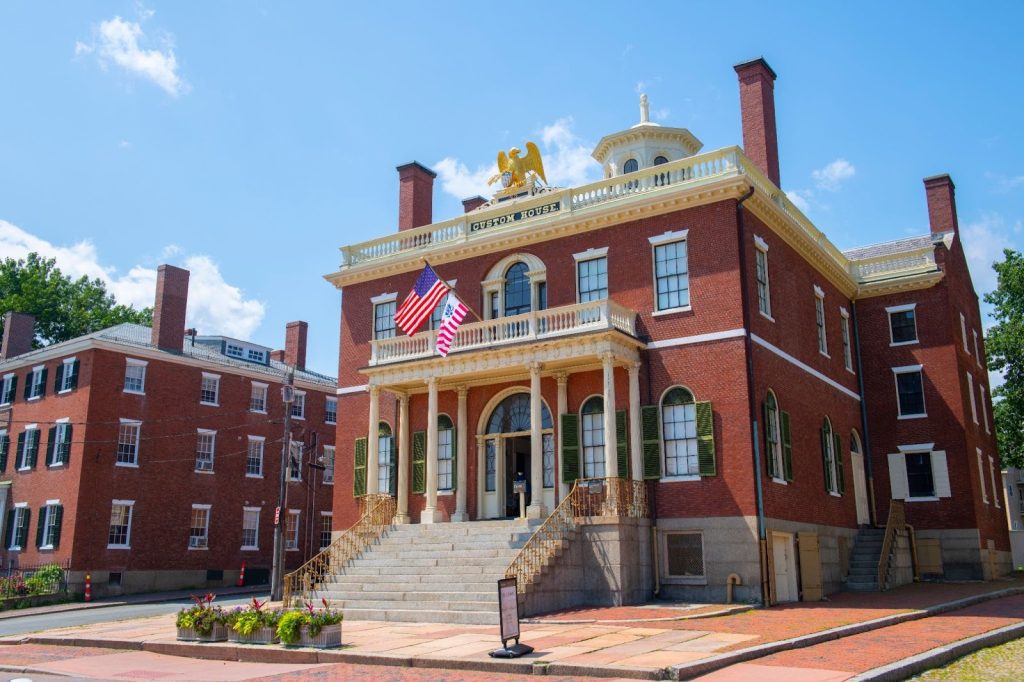
The Lesser-Known Black History in Salem, Massachusetts
Salem’s history extends far beyond the Witch Trials; Salem’s Black history is deeply tied to maritime trade, early free black communities, and the abolitionist movement. By the late 1700s and early 1800s, Salem was one of the wealthiest ports in the United States, and black sailors, dockworkers, craftsmen, and entrepreneurs were essential to its success.
Enslaved and free black people lived and worked in Salem earlier than in many other New England towns. Some gained their freedom through maritime labor, while others were active in anti-slavery efforts as Salem became an important abolitionist stronghold. black residents participated in mutual aid societies, churches, and civic life, helping shape the city’s social fabric.
Salem’s Black heritage includes:
- Maritime Black History: Black sailors and seafarers were a vital part of Salem’s global trading economy, often finding more economic opportunity at sea than on land.
- Abolitionist connections: Salem residents, black and white, were active in anti-slavery societies, and Underground Railroad efforts.
- Historic burial grounds and homes: Several sites in Salem document the lives of early black residents.
Baker’s Island & Black Maritime History
Salem is also an excellent jumping-off point for exploring the region’s maritime landscape, which provides important context for black history in coastal Massachusetts.
Keolis massAdventures offers trips connecting you to Baker’s Island, off the coast of Salem, it’s a site best known for its lighthouse and strategic maritime role. While there is limited information identifying black residents on Baker’s Island itself, the island is historically tied to Salem’s broader seafaring economy.
During the 18th and 19th centuries, black mariners played a significant role in New England’s coastal shipping industries, sailing on vessels that passed through Salem Harbor and supplied islands like Baker’s Island.
Visiting Baker’s Island offers a powerful opportunity to learn about:
- The lives of black sailors in New England
- How maritime work created pathways to freedom and independence
- The often-overlooked role of black labor in sustaining coastal infrastructure and trade
This makes Baker’s Island a meaningful extension of Salem’s black maritime history, even where direct records are limited, it’s an important reminder of how many black stories were never formally documented.
- Commuter Rail Access: Take the Newburyport Line

Concord: Black History, Abolition & Early Free Black Families
During the 18th and early 19th centuries, black residents, both enslaved and free, lived and worked in Concord. As Massachusetts moved toward abolition, Concord became part of a broader anti-slavery network that included Lexington and Boston.
Free black residents contributed to farms, households, and political life, even as they faced legal and social barriers. Concord was also deeply connected to abolitionist writers and thinkers who publicly opposed slavery spoke about racial injustice.
Key Sites in Concord:
- The Robbins House : Home of a free black family for generations, exploring freedom, property ownership, and citizenship
- Walden Pond State Reservation: Connected to Henry David Thoreau’s abolitionist writings
- Sleepy Hollow Cemetery: Resting place of prominent abolitionists
- Commuter Rail Access: MBTA Commuter Rail, Fitchburg Line. Concord’s historic center is walkable from the station, making it ideal for visits year-round.
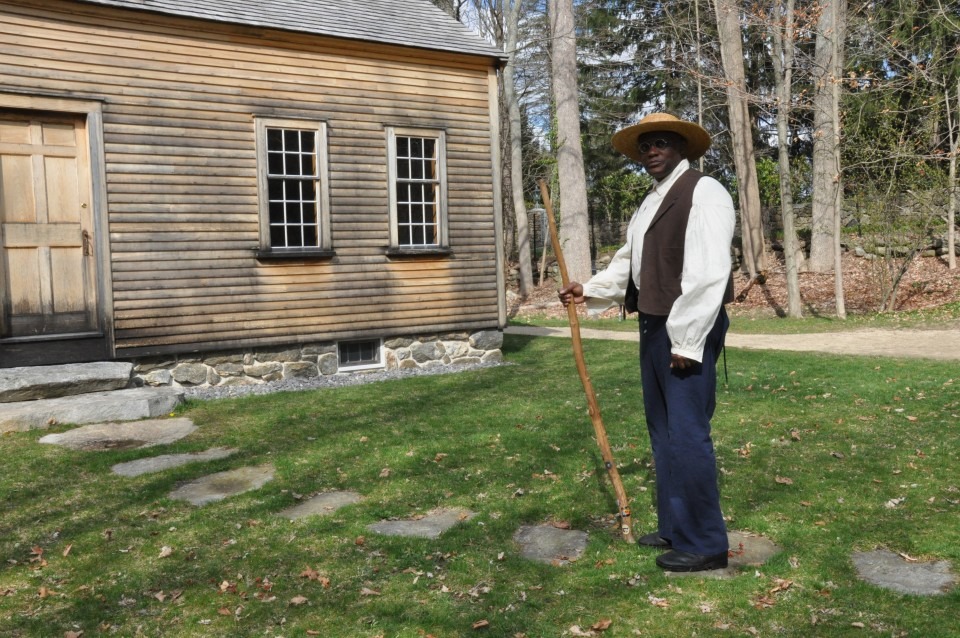
Photo Courtesy of The Robbins House
Guided Tours in Concord, Massachusetts
Keolis massAdventures offers guided trips to Concord, MA year-round, providing fun facts and information that goes beyond Revolutionary history to include black history, women’s history, abolition, and social justice. All of our guides a teachers, historians and passionate about Concord’s rich history
Check out our Chocolate and History Tour that runs February and March or, if you’re interested in visiting in the Spring through Fall check out our other trip Concord North Bridge Walking Tour
Lowell & Lawrence: African American & Afro-Caribbean Industrial History
Lowell and Lawrence reflect the evolving story of African American and Afro-Caribbean communities tied to industry, immigration, and labor movements.
Museums, historical societies, and walking tours highlight stories of black workers, families, and community leaders who shaped these mill cities.
- Lowell:Museum exhibits and downtown cultural markers
- Commuter Rail Access: MBTA Commuter Rail – Lowell Line
- Lawrence: African American narratives tied to the towns industrial past
- Commuter Rail Access: MBTA Commuter Rail- Haverhill Line
Must-Visit Museums & Cultural Sites
Massachusetts is home to powerful museums and historic sites that illuminate the stories, contributions, and resilience of black communities throughout the state. Many of these destinations are easily accessible by Commuter Rail, making them ideal stops for meaningful exploration during Black History Month
Quincy: Adams National Historical Park
Adams National Historical Park offers insight into early American history, including connections to black abolitionists and enslaved individuals who lived and worked alongside the Adams family. These stories add essential context to conversations about freedom and equality.
- Commuter Rail Access: MBTA Commuter Rail Fall River/New Bedford Line or, Kingston Line
Boston: Museum of African American History
A cornerstone of Black History Month sites in MA, is the Museum of African American History which preserves the stories of African Americans in New England.
Highlights of the Museum Include:
- The African Meeting House, the oldest surviving black church building in the U.S.
- Exhibits on abolition, education, and early black communities
- Special Black History Month events and other events throughout the year.
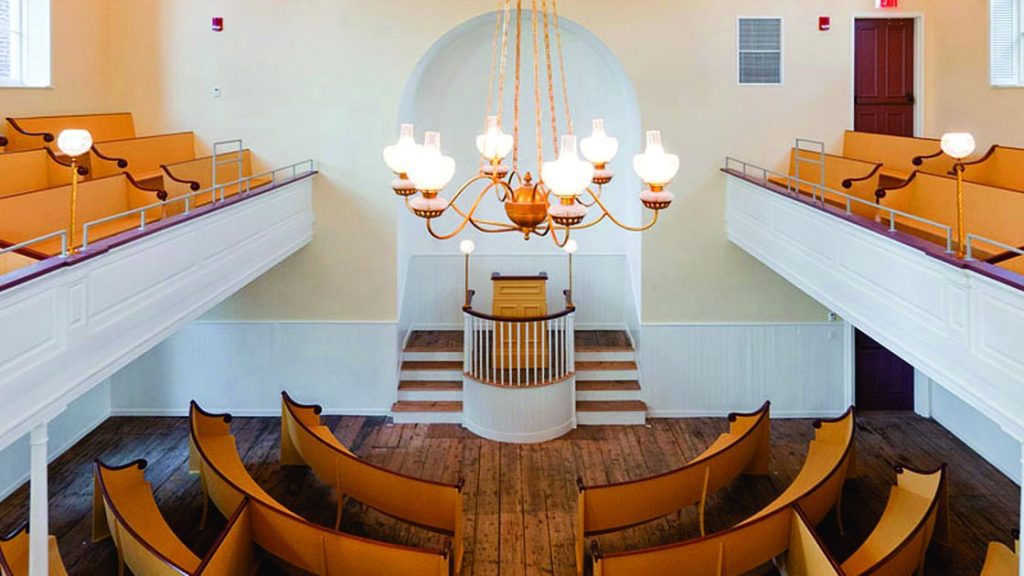
Photo Courtesy of the National Trust for Historic Preservation
Where to Eat & Support Black-Owned Businesses
Supporting Black-owned businesses is a meaningful way to engage with local communities during Black History Month.
New Bedford, MA – A Black History Month Standout
New Bedford was one of the most diverse and progressive port cities in the U.S. and a critical stop on the Underground Railroad. Black whalers earned equal pay, and figures like Frederick Douglass lived and worked here after escaping slavery.
Where to Eat:
- The United House of Prayer Soul Food Kitchen: known for it’s authentic Soul Food and only open on weekends serving up Sunday specials after church.
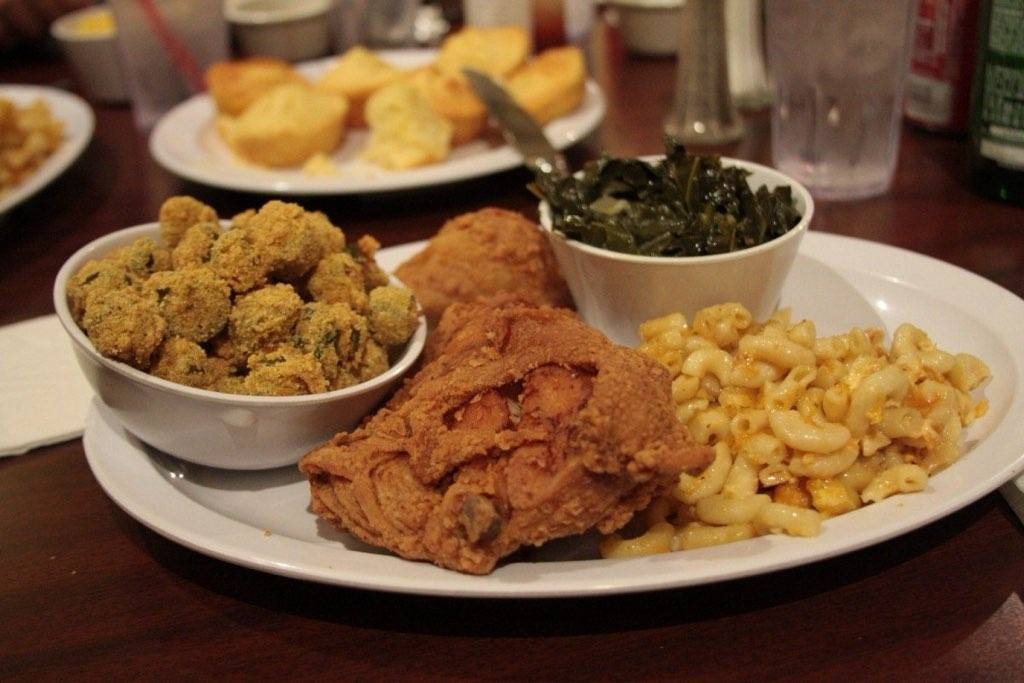
Alt Text: Fresh Fried chicken plate plate from United House of Prayer Soul Food Kitchen
Commuter Rail Access: MBTA Commuter Rail – Fall River/New Bedford Line. Learn more about exploring towns on the brand new Fall River/ New Bedford Line by checking out our blog! Exploring The Fall River/ New Bedford Line
Boston: Nubian Square & Roxbury
- Suya Joint : A popular spot offering Nigerian-inspired street food
- Darryl’s Corner Bar & Kitchen : Known for soul food, live jazz, and deep ties to Boston’s black music scene.
- Oasis Vegan Veggie Parlor: Plant-based Caribbean-inspired comfort food..
Worcester, MA
- Addie Lee’s Soul Food: a popular soul food spot serving fried chicken and beef ribs that “ fall off the bone”
- Accra Girls Restaurant: Emmanuel Labri is the restaurateur bringing the “taste of Ghana” to Worcester. Pro Tip! Try the Omo Tuo, a Ghanaian staple food made with rice, served in a peanut butter soup with goat meat.
- Anokye Krom African- American Resturant: If you visit for dinner, try the Sizzling Akomfem (guinea fowl) at this Afro Ghanaian-American restaurant
Lowell, MA
- Sahel Restaurant & Lounge : Afro- Caribbean cuisine
Black History Month is the perfect time to explore Massachusetts’ rich network of museums, towns, and cultural landmarks. Thanks to the MBTA Commuter Rail many of the most important black heritage sites in MA are just a train ride away making it easy to learn, reflect, and support local communities all year long.
Black History Month is the perfect time to explore Massachusetts’ rich network of museums, towns, and cultural landmarks. Thanks to the MBTA Commuter Rail many of the most important black heritage sites in MA are just a train ride away making it easy to learn, reflect, and support local communities all year long.